

 فارسی
 عربي

Security Door Buying Guide: 10 Key Tips
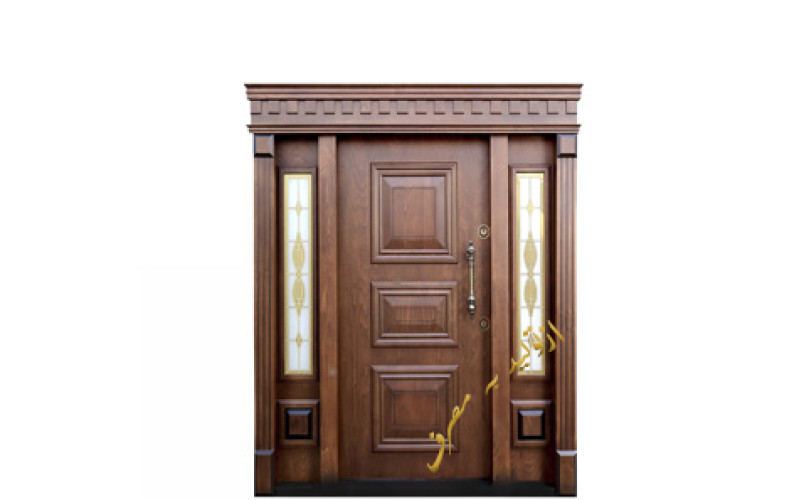
Learn 10 key tips for buying a security door—from steel sheet thickness and lock quality to insulation, hinges, installation, warranty, and price—so you can choose with confidence.
If you plan to buy a security door, knowing the door types, lock quality, steel sheet thickness, and trusted brands helps you make the best choice. In this article we cover all the important points.
If you want a door that offers both security and durability, check a few key points before buying.
Security Door Buying Guide: 10 Key Tips
Choosing an entrance door is not only about how the building looks; it is the first layer of defense for your family's safety and property. There is a major problem: the market is full of doors labeled "security" that in reality offer little real protection.
Many buyers focus only on appearance and color, then after installation find a weak lock or thin sheets that are easy to damage. To avoid these mistakes and get real value for your money, here are 10 vital points sellers often do not mention.
1. Check sheet thickness and material
Appearance can be misleading; security lies in the underlying layers. Security door sheets should be steel of standard thickness. Very thin sheets can be cut or bent with simple tools. Always ask: "What is the exact thickness of the main sheet and the frame?"
2. The lock is the heart of door security
A security door with an ordinary lock is effectively just an ordinary door. Lock type, security grade, and brand matter a lot. Look for locks with anti-jimmy and anti-drill features and security cylinders. A weak lock is the first point attackers exploit.
3. Internal structure (appearance vs reality)
Many doors look solid but are filled with weak materials that offer little structural strength. Check whether the core uses resistant fillers (such as lightweight concrete or high-density foam). This improves both security and sound insulation.
4. Hinges support the door's stability
Hinges carry the heavy weight of a security door. Poor hinges cause sagging, misalignment, and eventually hard opening and closing. Strong hinges in the right number help prevent warping.
5. Take sound and thermal insulation seriously
The entrance door faces the outside world. A good door should block street noise and limit heat or cold. Ask about thermal and acoustic seals (such as perimeter gaskets).
6. Paint and finish quality
The door will face sun, rain, and dust for years. Powder electrostatic coating or high-quality finishes reduce fading and rust. The surface should not scratch easily.
7. Standards and quality certificates
In a market full of claims, standards are the real reference. Ask for resistance test certificates or technical standards. If they claim "security," ask on what basis that claim is proven.
8. Professional installation matters
Even the best door fails if installed poorly. Gaps between frame and wall can be exploited. Ensure the install team has experience with heavy security doors.
9. Warranty and after-sales service
A security door is a long-term investment. Trustworthy makers provide written warranty for lock, finish, or structure. Know the exact terms and support process.
10. Do not judge by the final price alone
A low price is not always a good deal; it can mean thinner steel, a weaker lock, or poor hinges. Compare price with features. A cheap door that needs frequent repair costs more over time than a quality one.
Summary: quick checklist before payment
Before you sign, check the following:
- Is sheet and frame thickness standard?
- Is the lock type and brand verified?
- Does it offer sound and thermal insulation?
- Will installation be done by specialists?
- Is there a written, valid warranty?
Home security starts with choosing the right door. If you are unsure which model to pick, our team at aztoledbemasraf is ready to provide free expert advice.
aztoledbemasraf.ir